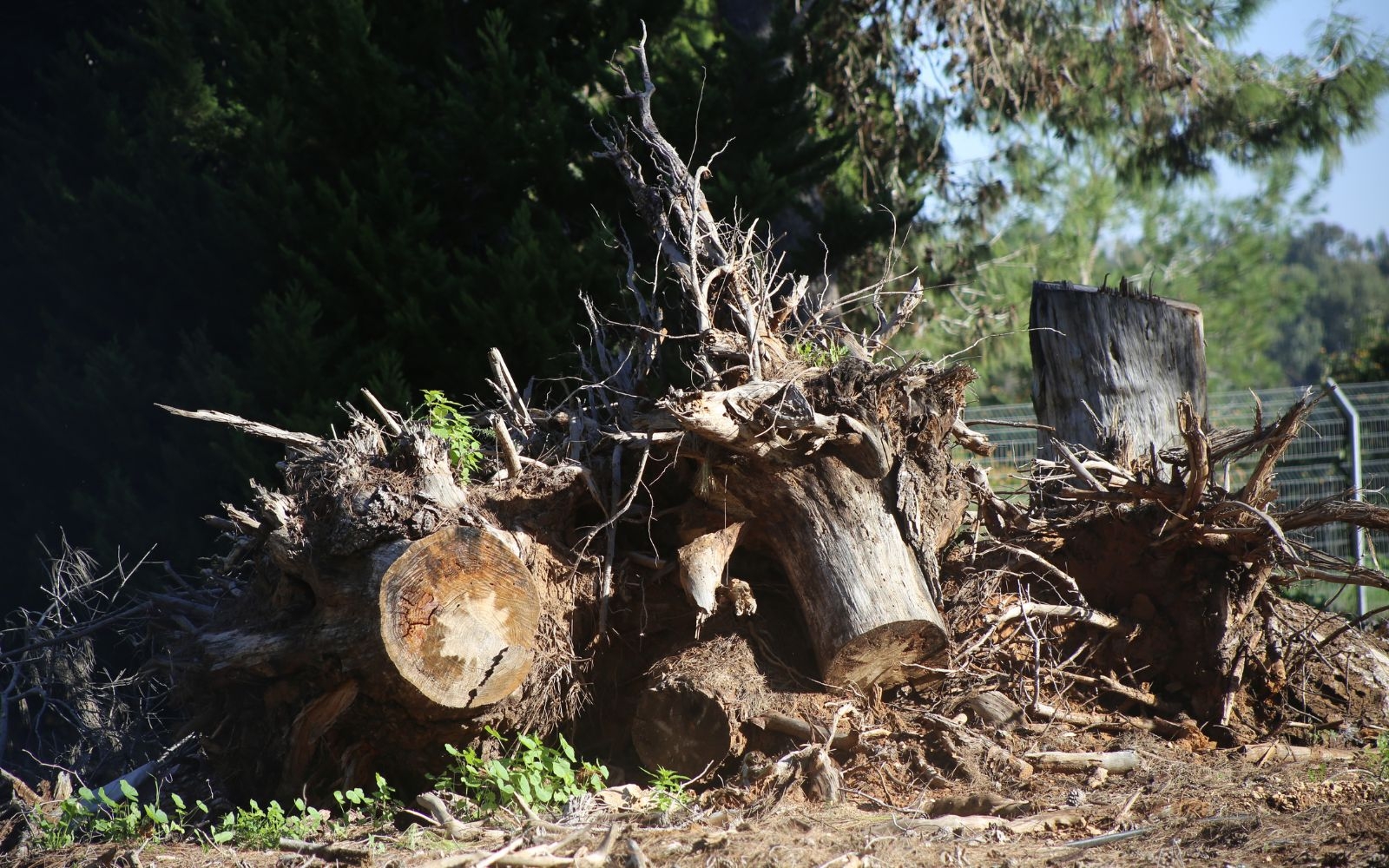
Tree Removal services by qualified staff for safe removal of trees of any size.
Tree Pruning services to enhance tree health, aesthetics, and property safety.
Tree Lopping, Cutting, and Removal for large or hazardous branches and trees.
Palm Tree Removal including stumps, fronds, leaves, seeds, and fruit.
Hedge Pruning for neat, attractive, and safe hedge growth.
Land Clearing for residential, commercial, and agricultural areas, including large-scale projects.
Block and Land Clearing for property preparation, construction, or landscaping.
Stump Grinding with modern machinery to remove all traces of tree stumps.
Commitment to protecting property and surrounding areas during tree services.
Trusted location at Unit 9/169 Beavers Rd, Northcote VIC 3070, serving Melbourne homeowners and businesses.
Use of modern, high-quality equipment and safety gear for all tree care operations.
Comprehensive insurance coverage for all services, ensuring client peace of mind.
Identification of hazards including overgrown branches, storm damage, proximity to cables, and invasive roots.
Professional handling of pest infestations and excessive or misdirected tree growth.
Efficient, experienced, and results-driven service for timely project completion.
Free, obligation-free quotes to help clients make informed decisions.
Personalized consultation and guidance to address tree and garden concerns.
Service coverage across all Melbourne suburbs including North Melbourne, South Melbourne, Port Melbourne, East Melbourne, West Melbourne, Albert Park, Middle Park, St Kilda, Windsor, Prahran, Richmond, Brunswick, Northcote, Fitzroy, Hawthorn, and Sunshine.
Dedicated team focused on maintaining Melbourne’s natural beauty and garden safety.
Expert advice on tree health, maintenance, and property improvement.
Palm tree shaping is a vital aspect of landscaping that goes beyond simple maintenance to enhance the aesthetic appeal of outdoor spaces. This artful practice involves more than just trimming fronds; it is about crafting a visual statement that complements the overall design of the landscape. The unique silhouette of a well-shaped palm tree can serve as a focal point, drawing the eye and creating a sense of balance and harmony within the environment.
Palm trees, with their towering presence and iconic fronds, are often seen as symbols of tropical paradise. However, without regular shaping, these majestic trees can become unruly, detracting from the intended beauty of a landscape. Shaping involves selectively pruning the tree to maintain its health, promote growth, and achieve a desired form. This process can include techniques like crown raising, canopy thinning, and even sculpting the tree into specific shapes to fit a particular theme or style.
The importance of palm tree shaping in landscaping aesthetics cannot be overstated. A well-shaped palm tree can enhance the visual appeal of a property, increase its value, and create an inviting atmosphere. For businesses, this can mean attracting more customers; for homeowners, it can translate into a more enjoyable outdoor living space. Moreover, shaping can improve the health and longevity of the tree, ensuring that it continues to thrive and add beauty to the landscape for years to come.
Incorporating palm tree shaping into your landscaping routine is an investment in both the appearance and health of your outdoor spaces. Whether you are a business owner looking to create a stunning entrance or a homeowner seeking to elevate your garden's aesthetic, professional palm tree shaping services can help achieve these goals effectively.
Palm tree shaping and aesthetic services offer numerous advantages that go beyond just visual appeal. These services enhance the beauty of palm trees, creating an inviting and serene atmosphere for any property. A well-maintained palm tree can serve as a stunning focal point, adding a touch of elegance and tropical charm to gardens, parks, and residential landscapes. The meticulous shaping and trimming of palm trees can transform an ordinary outdoor space into an extraordinary one, making it more welcoming for residents and visitors alike.
Beyond aesthetics, palm tree shaping contributes significantly to environmental health. Properly maintained palm trees are more resilient against pests and diseases, reducing the need for chemical treatments and promoting a healthier ecosystem. They also play a vital role in supporting local wildlife, offering habitat and food for various bird species and insects. Furthermore, palm trees are effective carbon sinks, absorbing carbon dioxide and releasing oxygen, which helps in combating climate change.
From a financial perspective, investing in the aesthetic maintenance of palm trees can significantly increase property value. A landscape adorned with beautifully shaped palm trees is appealing to potential buyers, offering a sense of luxury and well-being. Properties with well-maintained landscaping can command higher prices and attract more interest in the real estate market. Additionally, aesthetically pleasing outdoor spaces can enhance the overall experience for residents, potentially increasing rental income for property owners.
In essence, palm tree shaping and aesthetic services offer a comprehensive range of benefits that encompass visual pleasure, environmental sustainability, and economic value, making them a worthwhile investment for any property owner looking to enhance their landscape.
Pruning is an essential method for shaping palm trees, ensuring they maintain a healthy and visually pleasing appearance. It involves the strategic removal of dead or overgrown fronds, which can help redirect the tree's energy to new growth. Proper pruning can prevent the accumulation of dead fronds, which can harbor pests and diseases. It also enhances the tree's structural integrity, reducing the risk of damage during storms. Careful timing and technique are crucial to avoid harming the tree and to promote optimal growth.
Utilizing the right tools is crucial for effective palm tree shaping. Essential tools include pruning saws, shears, and pole pruners, each designed for specific tasks. Pruning saws are ideal for cutting thicker branches, while shears are perfect for smaller fronds. Pole pruners allow for reaching higher branches without the need for ladders, ensuring safety and efficiency. Regular maintenance of these tools, such as sharpening blades and cleaning, is vital to ensure clean cuts and prevent the spread of diseases between trees.
Understanding the growth patterns of palm trees is key to effective shaping. Palm trees typically grow vertically, with new fronds emerging from the top of the trunk. This predictable pattern allows for strategic shaping to encourage desired growth directions. By selectively pruning older fronds, you can influence the tree's overall shape and fullness. Recognizing the species-specific growth traits can also help tailor shaping techniques to suit particular palm varieties, enhancing their natural beauty.
The timing of shaping activities can significantly impact the health and appearance of palm trees. Most shaping should be done during the growing season, which varies depending on the climate and palm species. This timing allows trees to recover quickly and promotes vigorous new growth. Avoid pruning during the dormant season, as this can stress the tree and slow its recovery. Understanding the local climate and seasonal changes is crucial for determining the best times for shaping activities.
Different aesthetic styles can be achieved through various shaping techniques, catering to diverse landscape designs. Some styles focus on creating a clean, manicured look by removing lower fronds, while others emphasize a natural, tropical appearance by allowing more fronds to remain. Creative shaping can also involve sculpting the tree into unique forms or enhancing its symmetry. The chosen style should complement the surrounding environment and align with the overall landscape design goals, adding visual interest and character to outdoor spaces.
Palm trees, while often celebrated for their resilience and tropical allure, face several challenges that require vigilant disease and pest management. These issues, if left unchecked, can significantly affect the health and aesthetic appeal of these iconic plants. One of the most common diseases affecting palm trees is Fusarium wilt, a fungal infection that causes yellowing and wilting of the leaves. Early detection and removal of infected fronds are crucial to prevent the spread of this disease. Regular monitoring and maintaining proper sanitation practices can help mitigate the impact of such infections.
Professional palm tree shaping and aesthetic services not only enhance the beauty of these trees but also play a vital role in disease and pest management. Experts in the field can assess the overall health of palm trees, identify early signs of trouble, and recommend appropriate treatments. They can also advise on preventive measures to keep these majestic trees thriving. By prioritizing regular maintenance and addressing issues promptly, palm tree owners can ensure their trees continue to be a stunning and healthy feature in any landscape.
Pests also pose a significant threat to palm trees. The South American palm weevil, for example, is notorious for causing extensive damage, often leading to the death of the tree. These pests bore into the trunk, making early detection challenging. Implementing integrated pest management strategies, including biological control and the use of insecticides, can be effective in controlling pest populations. Additionally, maintaining tree health through proper nutrition and irrigation can increase resistance to both diseases and pests.
When it comes to enhancing the beauty and health of your palm trees, selecting the right professional aesthetic services is crucial. A well-maintained palm tree not only elevates the visual appeal of your landscape but also ensures the tree's longevity and health. Here are some guidelines to help you make an informed decision when choosing a service provider.
Firstly, consider the expertise and experience of the service provider. Look for professionals who specialize in palm tree care and have a proven track record. Experienced providers will have a deep understanding of different palm species and their specific needs, ensuring that your trees receive tailored care.
Key Considerations When Choosing a Service Provider:
Next, evaluate their range of services. A comprehensive service provider should offer various options such as trimming, shaping, disease management, and fertilization. This ensures that all aspects of your palm tree's health and aesthetics are covered, providing a one-stop solution for all your needs.
Additionally, check for certifications and insurance. These are indicators of professionalism and commitment to quality. Certified arborists have undergone rigorous training and adhere to industry standards, while insurance protects you from liability in case of accidents during the service.
It's also important to read reviews and seek recommendations. Feedback from previous clients can provide valuable insights into the reliability and quality of the service provider's work. Don't hesitate to ask for references or view their portfolio of past projects.
Lastly, consider the cost and ensure it aligns with your budget. While it's tempting to opt for the cheapest option, remember that quality service is an investment in the health and beauty of your palm trees. Compare quotes and services to find a provider that offers the best value for your money.
By following these guidelines, you can choose a professional aesthetic service that will enhance the beauty of your palm trees and contribute positively to your landscape.
In recent years, the art of palm tree shaping has gained popularity, not only for its aesthetic appeal but also for its ability to transform landscapes into breathtaking environments. Successful landscaping projects provide invaluable insights into the creativity and expertise required to achieve these impressive results. One standout example comes from a luxurious resort in Miami, where palm trees were meticulously shaped to mimic the gentle curves of ocean waves. This design choice not only enhanced the tropical ambiance but also created a seamless connection between the landscape and the nearby sea, offering guests an immersive experience.
Another notable project involved a public park in Los Angeles, where palm trees were sculpted into geometric patterns that complemented the modern architectural elements surrounding the area. This innovative approach not only drew visitors but also became a focal point for community events, demonstrating how strategic palm shaping can enhance public spaces while fostering community engagement.
Key Elements of Successful Palm Shaping:
These examples underscore the importance of considering the environment and purpose when planning palm tree shaping projects. Successful endeavors often involve collaboration between landscape architects, horticulturists, and artists, ensuring that each tree is not only an individual masterpiece but also part of a cohesive design vision. By integrating the natural beauty of palm trees with artistic elements, these projects highlight the potential of landscaping to elevate both private and public spaces, offering inspiration for future initiatives. As interest in palm tree shaping continues to grow, these projects serve as a testament to the transformative power of thoughtful design and creativity in landscaping.
When considering palm tree aesthetic services, several factors influence the pricing structure. One primary factor is the type of palm tree. Different species have unique growth patterns, heights, and maintenance needs, which can affect the complexity and duration of the service required. For instance, taller palm trees may necessitate specialized equipment and skilled personnel, potentially increasing costs.
Another important aspect is the scope of the service. Aesthetic services can range from basic trimming and pruning to more intricate shaping and artistic design. The more detailed and extensive the service, the higher the price. Additionally, the frequency of maintenance plays a role; regular upkeep might be more cost-effective in the long run compared to sporadic, intensive sessions.
Key Pricing Influences:
Geographical location also impacts pricing. Areas with a higher cost of living or those where palm trees are less common might see increased service prices due to transportation costs and demand for specialized expertise. Furthermore, the time of year can influence costs, as peak seasons might lead to higher demand and, consequently, higher prices.
Lastly, the experience and reputation of the service provider can affect costs. Established companies with a track record of quality work may charge more than newer, less experienced providers. However, investing in a reputable service often ensures better results and can prevent potential damage to the trees.
Understanding these pricing factors can help individuals make informed decisions when selecting palm tree aesthetic services, ensuring they receive value for their investment while maintaining the beauty and health of their palm trees.
When it comes to maintaining the elegance of palm trees, understanding the influence of seasons and climate is crucial. These tropical beauties, while often associated with sun-drenched beaches, require specific care tailored to their environmental conditions. The changing seasons can significantly impact their health and appearance, necessitating a strategic approach to their upkeep.
In warmer climates, where palms thrive naturally, the summer months can be both a blessing and a challenge. Increased sunlight and heat promote growth, but they also demand more frequent watering and attention to soil moisture levels. It's essential to monitor the health of the palm, as excessive heat can lead to dehydration and stress. Conversely, the winter months, even in mild climates, can introduce cooler temperatures that slow growth and necessitate protective measures, such as mulching and frost protection, to shield the palms from unexpected cold snaps.
In regions with distinct seasonal changes, the approach to palm care must be even more nuanced. Spring is an ideal time for pruning and fertilizing, setting the stage for healthy growth as temperatures rise. However, the autumn months require a focus on preparing the trees for colder weather, ensuring that they have ample nutrients and moisture to withstand the dormant period. Additionally, during periods of heavy rainfall or humidity, it is vital to check for signs of fungal infections or root rot, which can be detrimental to palm health.
Ultimately, the key to successful palm tree care lies in understanding the specific climate of your area and adapting maintenance practices accordingly. By doing so, you can ensure that these iconic trees remain a stunning feature of your landscape year-round.
Palm tree maintenance is not only about aesthetics but also involves navigating various legal and safety issues. Understanding these aspects is crucial for anyone involved in the care and shaping of palm trees. One primary concern is adhering to local regulations and ordinances. Many municipalities have specific guidelines regarding the trimming and removal of palm trees, particularly if they are considered protected species. Non-compliance can result in hefty fines or legal repercussions, so it's essential to check with local authorities before undertaking any maintenance work.
Key Safety Measures:
Safety is another critical factor. Palm tree maintenance often requires climbing to great heights, which poses significant risks. It's vital to ensure that all workers are adequately trained and equipped with the necessary safety gear, such as harnesses and helmets. The use of specialized equipment, like cherry pickers or cranes, may also be required to safely access the upper parts of the tree. Additionally, being aware of potential hazards, such as falling fronds or the presence of wildlife, is important to prevent accidents.
Furthermore, the use of chemicals for pest control or disease prevention must be handled with care. Only licensed professionals should apply pesticides or fertilizers, as improper use can harm the environment or pose health risks to humans and animals. By prioritizing legal compliance and safety, palm tree maintenance can be conducted effectively, ensuring both the health of the trees and the well-being of those who care for them.


Tree care is the application of arboricultural methods like pruning, trimming, and felling/thinning[1] in built environments. Road verge, greenways, backyard and park woody vegetation are at the center of attention for the tree care industry. Landscape architecture and urban forestry[2][3] also set high demands on professional tree care. High safety standards against the dangers of tree care have helped the industry evolve. Especially felling in space-limited environments poses significant risks: the vicinity of power or telephone lines, insufficient protective gear (against falling dead wood, chainsaw wounds, etc.) and narrow felling zones with endangered nearby buildings, parking cars, etc. The required equipment and experience usually transcends private means and is often considered too costly as a permanent part of the public infrastructure. In singular cases, traditional tools like handsaws may suffice, but large-scale tree care usually calls for heavy machinery like cranes, bucket trucks, harvesters, and woodchippers.
Road side trees are especially prone to abiotic stress by exhaust fumes, toxic road debris, soil compaction, and drought which makes them susceptible to fungal infections and various plant pests[4] like the spotted lantern fly.[5] When tree removal is not an option, because of road ecology considerations, the main challenge is to achieve road safety (visibility of road signs, blockage-free lanes, etc.) while maintaining tree health.

While the perceived risk of death by falling trees (a part of the "tree risk" complex) is influenced by media and often hyped (the objective risk has been reported to be close to 1 : 10.000.000, almost as low as death by lightning),[6] singular events have encouraged a "proactive" stance so that even lightly damaged trees are likely to be removed in urban and public traffic surroundings.[3] As a tree ages and nears the end of its safe useful life expectancy (SULE),[7] its perceived amenity value is decreased greatly. A risk assessment normally carried out by local council's arborist to determine the best course of action.[8] As with all public green spaces, trees in green urban spaces and their careful conservation is sometimes in conflict with aggressive urban development even though it is often understood how urban trees contribute to liveability of suburbs and cities both objectively (reduction of urban heat island effect, etc.) and subjectively.[9][10][11][12] Tree planting programs implemented by a growing number of cities, local councils and organizations is mitigating the losses and in most cases increasing the number of trees in suburbia.[13] Programs include the planting of 2 trees for every 1 tree removed, while some councils are paying land owners to keep trees instead of removing them for farming or construction.[14]
The voluntary industry consensus standards developed by TCIA, resulted in the ANSI A300 standard, the generally accepted industry standard for tree care practices including trees, shrubs, and other woody plants.[15] It includes the following parts:
Urban Forestry maintains 4.1 million trees on public property, which includes an estimated 3.5 million trees within Toronto's parks and ravines, and approximately 600,000 trees on City streets. ... The focus of our maintenance service is shifting progressively from reactive maintenance to proactive maintenance.
cite web: CS1 maint: multiple names: authors list (link)Ho Chi Minh City has announced a plan to move and cut down 300 trees on Ton Duc Thang Street in District 1 to make space for a bridge connecting to District 2 and a metro station.